Skip to content
WaterproofingIndex

How Much Does Foundation Crack Injection Cost in Toronto in 2026?

Last updated: By Below-Grade Records Desk

Injecting one foundation crack in Toronto runs $300 to $800 according to Nusite Group and $400 to $800 for a one-day repair per Gamcon, while DryShield publishes $750 to $1,000 for polyurethane and $750 to $1,500 for epoxy. Leaquida budgets $1,500 to $2,200 for one straightforward accessible interior injection.
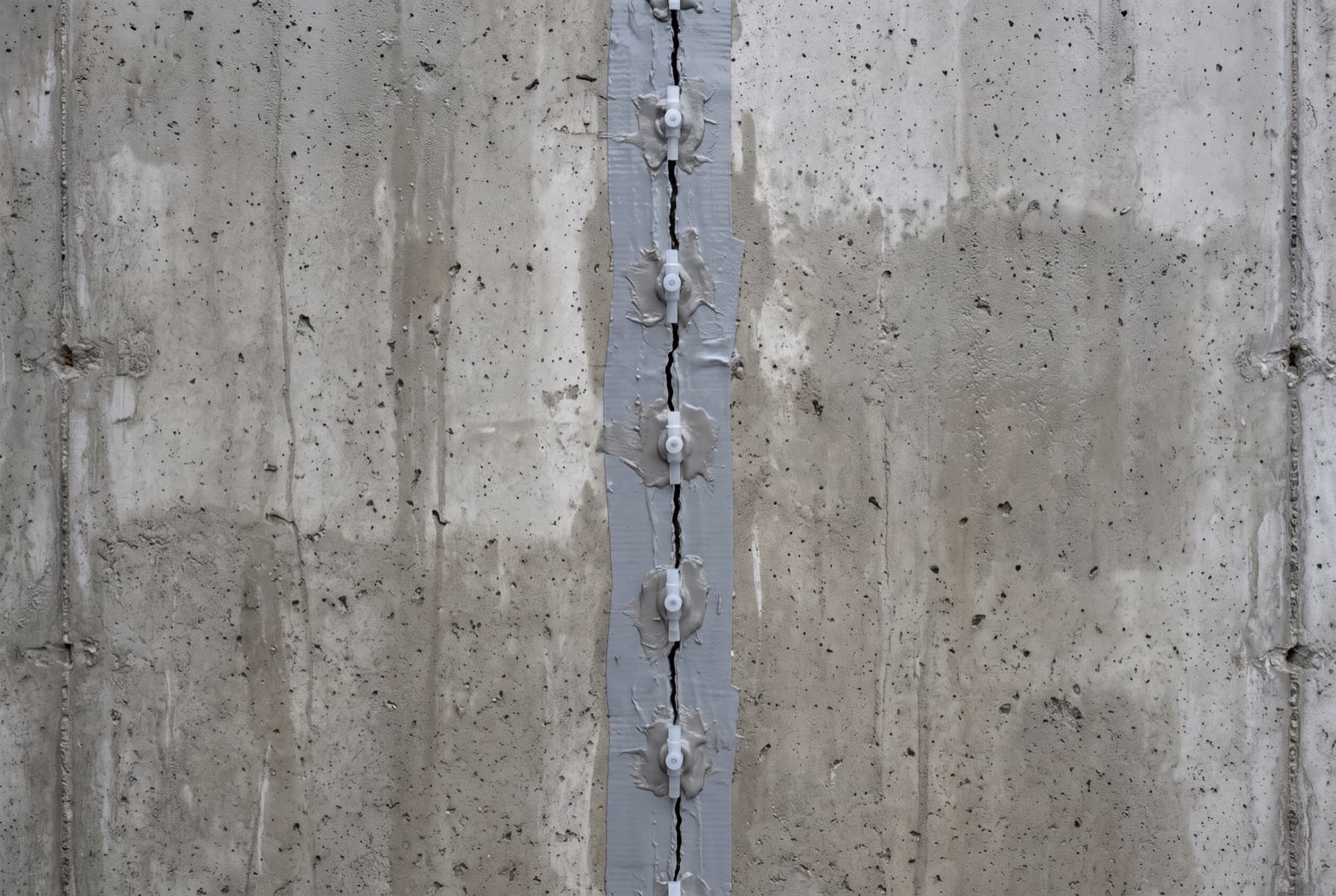
Illustration: a poured concrete foundation wall with one vertical crack running down it, a line of white plastic injection ports fixed along the crack and grey surface seal paste covering the crack line between them.
Illustration generated for this guide. Not a photograph of a real job, and not evidence of a price. The photographs further down this page were published by the companies named beside them.

Prices

What does crack injection cost per crack in the GTA?

This range rests on 6 independent named sources, across 9 priced lines. Every figure was re-read in August 2026 in the source that publishes it, and any figure whose source could no longer be read was removed rather than carried forward. Where two sources disagree, both rows are shown as their own sources published them; nothing is averaged and no range is widened to cover a gap.

Every figure below was read off the page named in its own row, in August 2026. Canadian dollars, before Ontario’s 13% HST unless a row says otherwise. The line under each item is the condition recorded with that figure: what the number covers, and what it does not. Some of these prices are published by contractors this directory also lists. Those rows are marked. A company cannot buy a ranking position by supplying a figure.
ItemTypical rangeUnitSource
Polyurethane crack injection, one crack (flexible seal for an actively leaking crack)Per crack. DryShield calls the whole $750 to $1,000 band its typical range, not any one figure inside it. Polyurethane is the leak-stopping choice, not the structural one.$750–$1,000per crackDryShield (Toronto & Southern Ontario)also listed in this directory
Epoxy crack injection, one crack (rigid structural bond in poured concrete)Per crack, for poured concrete. The source ties the spread to crack length, accessibility and whether epoxy or polyurethane is used.$750–$1,500per crackDryShield (Toronto & Southern Ontario)also listed in this directory
Tie-rod (snap-tie) hole sealing, done alongside a crack injectionPer hole, and only where snap-tie holes are being sealed alongside the injection. It is not a whole-job price.$75–$150per holeDryShield (Toronto & Southern Ontario)also listed in this directory
Crack injection repair, GTA range quoted by a Toronto waterprooferPer crack, and the source ties the spread to crack length and complexity.$300–$800per crackNusite Group (Toronto)also listed in this directory
Crack injection, one-day repair with no excavationPer crack, for a one-day repair with no excavation. This is Gamcon's own price table.$400–$800per crackGamcon (Toronto)also listed in this directory
Internal crack repair using hydraulic cement and/or epoxy injection, priced by crack sizePer crack, priced by the size of the crack. RCC's band covers floor and wall cracks repaired with hydraulic cement and/or epoxy injection, which is why it starts so low.$50–$650per crackRCC Waterproofing (Toronto)also listed in this directory
Interior injection program for one straightforward, accessible leaking vertical crack (prep, route, ports, inject, surface seal)Per crack, for water passage only, and only where the crack is a straightforward accessible interior injection. Reinforcement is a different and dearer job.$1,500–$2,200per crackLeaquida Waterproofing (Toronto & GTA)
Exterior excavation to expose the foundation, repair the crack and waterproof the areaPer linear foot, and the high end is open-ended at $300+ rather than a ceiling. This is the exterior dig, not the injection.$50–$300+per linear ftRCC Waterproofing (Toronto)also listed in this directory
DIY polyurethane crack injection kit, materials only (DRICORE crack prep paste plus injection expanding foam)Materials only, at one retailer's listed price on 2026-08-28. No labour, and a retail price moves.$89.16–$89.16per kitThe Home Depot Canada

Prices

Where do the published prices disagree?

Each bar below is one published range, drawn to scale against the others quoted in the same unit. Nothing here is averaged: where two companies price foundation crack injection differently for what reads like the same job, both bars are drawn at the lengths their own sources published, and the gap between them is the thing worth looking at before you accept either bid.

Quoted per crack6 published ranges, drawn against the widest figure in this group.
  • Polyurethane crack injection, one crack (flexible seal for an actively leaking crack)$750–$1,000

    DryShield (Toronto & Southern Ontario)

  • Epoxy crack injection, one crack (rigid structural bond in poured concrete)$750–$1,500

    DryShield (Toronto & Southern Ontario)

  • Crack injection repair, GTA range quoted by a Toronto waterproofer$300–$800

    Nusite Group (Toronto)

  • Crack injection, one-day repair with no excavation$400–$800

    Gamcon (Toronto)

  • Internal crack repair using hydraulic cement and/or epoxy injection, priced by crack size$50–$650

    RCC Waterproofing (Toronto)

  • Interior injection program for one straightforward, accessible leaking vertical crack (prep, route, ports, inject, surface seal)$1,500–$2,200

    Leaquida Waterproofing (Toronto & GTA)

Longest bar ends at $2,200, the widest figure any source in this group published per crack.

6 of the 9 rows in the table are drawn here. 1 is left out because its published high ends in a plus sign, which has no upper bound to draw: $50–$300+ per linear ft. 2 are the only rows quoted in their units, and one bar on its own is not a comparison. Every one of them is in the table above with its own source.

Method

What is the difference, physically?

A crack can be filled from either side of the wall, and the two jobs share almost nothing. Injection is done from inside through ports drilled along the crack, with no excavation at all. The exterior repair digs the wall up to reach the same crack from the outside.

From inside: ports drilled along the crack, resin injected
From outside: the wall dug up to reach the same crack
1
The crack, running through the poured wall. See "crack injection" below
2
Injection ports drilled along it, alternating sides of the crack
3
Tie-rod holes, sealed in the same visit where they are leaking
4
The same crack, seen in section
5
Membrane over the repaired area once the crack is patched
6
Excavation to expose the foundation at the crack

Prices

What drives the price?

Access, depth and scope move foundation crack injection pricing more than anything else in Toronto. Each factor below is one reason two quotes for what sounds like the same job can be thousands of dollars apart.

  • Injection material: polyurethane for stopping an active leak versus epoxy for bonding a structural crack, a difference DryShield prices at up to $500 per crack
  • Crack length and depth of the wall, since a taller or thicker wall takes more ports and more resin
  • Crack location and direction, with corners, horizontal cracks and awkward heights taking longer to set up and inject
  • Wall access, which DryShield names alongside crack length, active leaking and a finished basement as the things that affect price
  • Whether the crack is actively leaking at the time of the repair, which changes resin choice and the amount used
  • Number of cracks on the same visit, since mobilisation is paid once and DryShield notes multi-crack packages carry volume discounts
  • Extras found during the same visit, such as tie-rod holes at $75 to $150 each (DryShield)

Record

What's specific to Ontario and Toronto?

Ontario adds 13% HST to every figure on this page, Toronto requires permits for most below-grade structural work, and both change what you actually pay. These are the local rules and subsidies that a national price guide leaves out.

  • HST: foundation repair and waterproofing work is taxable in Ontario, so add 13% HST to every quoted price above. A $900 injection lands at $1,017 once tax is added. Most contractor price pages publish pre-tax numbers.
  • Warranty is a company promise, not a provincial rule. DryShield publishes a lifetime transferable warranty on eligible poured-concrete repairs and states it transfers to a new owner. Other GTA companies publish different terms, so ask for the warranty in writing and check what voids it.
  • Interior crack injection is a repair inside an existing wall and is normally handled without a building permit. Anything that becomes underpinning, benching or structural alteration is a different job with different rules, so confirm scope with the contractor before signing.
  • Municipal basement flooding subsidy programs exist in the GTA and contractors advertise eligibility for them. DryShield's page states it is an eligible contractor for City of Toronto, Peel and Halton basement flooding subsidies. Check the program rules directly with your municipality, since crack injection alone may not be a covered measure.
  • Timing is seasonal in practice. Leaking foundation cracks in the GTA show up during heavy rain and spring melt, when outside water pressure around the foundation rises, so booking pressure is highest in spring.
  • Get the invoice and the warranty paperwork. A cash job with no contract leaves you nothing to enforce if the crack leaks again, and a transferable warranty is only worth something if it is documented.

Prices

How can I pay less?

Bundling work into one excavation, reusing what is already there, and getting the sequence right are what actually cut a foundation crack injection bill in the GTA. Each lever below is tied to a figure in the table above.

  • Get three written quotes. Published GTA prices for one crack run from $300 to $3,000 across real contractor pages, so the spread on your own crack will be large too.
  • Bundle every crack into one visit. DryShield says a single injection takes about 1 to 2 hours and that several cracks can usually be sealed in one visit, with multi-crack packages carrying volume discounts.
  • Fix the crack from inside before anyone talks about digging. Interior injection is a one-day job with no excavation (Gamcon), while the exterior route runs $50 to $300 or more per linear foot on RCC Waterproofing's own price guide.
  • Ask whether polyurethane will do the job. If the crack is a non-structural leak rather than a moving structural crack, polyurethane is the cheaper material in DryShield's published pricing.
  • Clear access to the wall yourself. Wall access is one of the named price drivers on DryShield's page, so move storage, shelving and furniture away from the crack before the crew arrives.
  • Add tie-rod holes to the same visit if you have them. At $75 to $150 per hole (DryShield) they are far cheaper handled during a booked injection than as a separate call-out.
  • Consider a DIY kit only for a short, non-structural, hairline crack. Home Depot Canada listed a DRICORE crack injection kit at $89.16 and Amazon.ca listed a 10 ft polyurethane kit at $321.64. That is materials only, with no labour, no inspection and no contractor warranty behind it.
  • Insist the warranty is in writing and ask whether it transfers on sale. DryShield publishes a lifetime transferable warranty, so ask competitors to match the paperwork, not just the price.
  • Fix the outside water first where it is cheap. Downspouts, grading and window wells are far cheaper than the excavation work that repeated leaks eventually force.

Method

How did we research these numbers?

Every price on this page was re-read in the page that publishes it, and the sentence carrying it was recorded so the figure can be checked rather than trusted. Where two Canadian sources disagree, WaterproofingIndex shows both rather than averaging them into a number neither company quoted.

  • Published GTA prices for the same repair spread very wide. Nusite Group quotes $300 to $800 per crack and Gamcon quotes $400 to $800, while DryShield publishes $750 to $1,500. Leaquida budgets about $1,500 to $2,200 for a straightforward accessible interior injection. Treat any single published number as one company's list price, not a market rate.
  • Where a source published a range but named no single most likely price, the typical column above repeats that source's own lower bound. No midpoints were calculated and no two sources were averaged together.
  • Injection is priced per crack, not per linear foot. DryShield states that most residential crack injection projects are priced per crack based on standard wall conditions, and that a single injection usually takes a few hours. Per linear foot pricing shows up only when the fix moves to exterior excavation or an interior drainage system.
  • The method changes the price. Polyurethane expands and stays flexible, so it is the leak-stopping choice. Epoxy cures rigid and is used when strength restoration is the goal. DryShield prices polyurethane at $750 to $1,000 and epoxy at $750 to $1,500.
  • Several cracks are usually handled in one visit. DryShield notes that a single crack injection takes about 1 to 2 hours, so several cracks can usually be sealed in one visit, and mentions multi-crack packages with volume discounts without publishing the discount amount.
  • Injecting from inside is far cheaper than digging. RCC Waterproofing prices exterior waterproofing, which includes exposing the foundation and repairing the crack, at $50 to $300 or more per linear foot.
  • A leaking crack is not always just a crack. Leaquida notes that a horizontal line or mild inward bow points to lateral pressure, which moves the job to carbon fibre straps or anchors at roughly $7,500 to $15,000 or more.
  • DIY kits are materials only and cover a short crack. The DRICORE crack injection kit at Home Depot Canada was listed at $89.16 each and marked out of stock online at the time of checking. A 10 ft Hydra Stop 300 polyurethane kit on Amazon.ca was $321.64. Sika Canada's SikaFix Kit page lists a 250 mL polyurethane grout cartridge, 3 bags of quick-set mortar and 20 injection ports, enough for a typical crack 2.4 m (8 ft) long, 200 mm (8 in) deep and 3 mm (1/8 in) wide, but publishes no price.
  • HomeStars cost guides for basement waterproofing and foundation crack repair were requested but returned HTTP 403 and could not be read, so no HomeStars figure appears in this guide.
  • All figures on this page are Canadian dollars taken from Canadian pages. No United States cost guides were used.

Sources

Companies

Who can do the work?

WaterproofingIndex tracks 7 foundation crack injection specialists across the Greater Toronto Area, rated 4.78★ on average. The three below rank highest on our review-weighted score, based on WaterproofingIndex's analysis of 7 GTA businesses, August 2026.

See all 7 foundation crack injection specialists on WaterproofingIndex

Photographs

What do the photographs on these listings show?

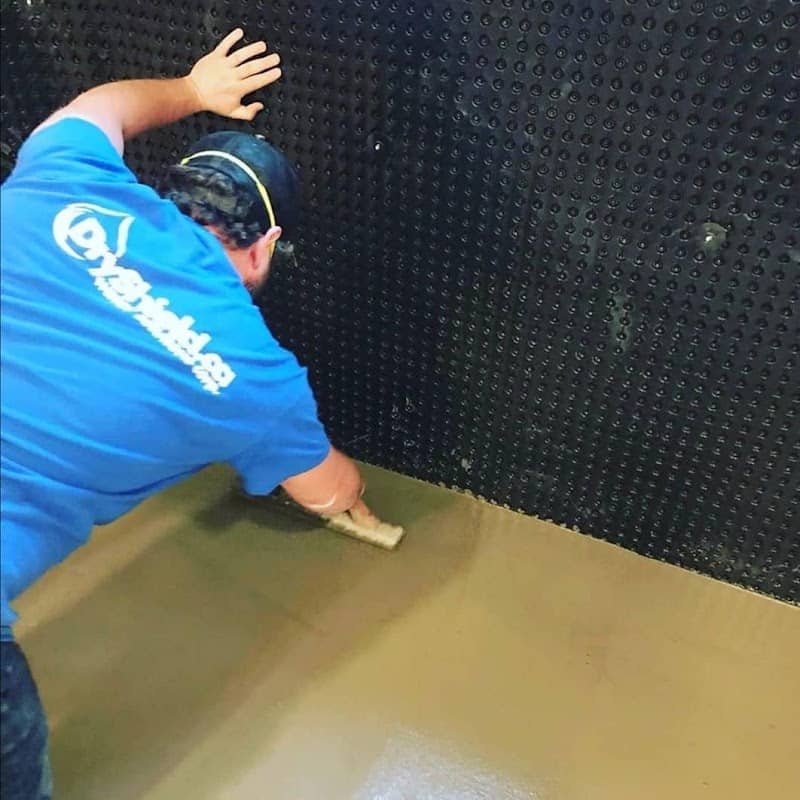
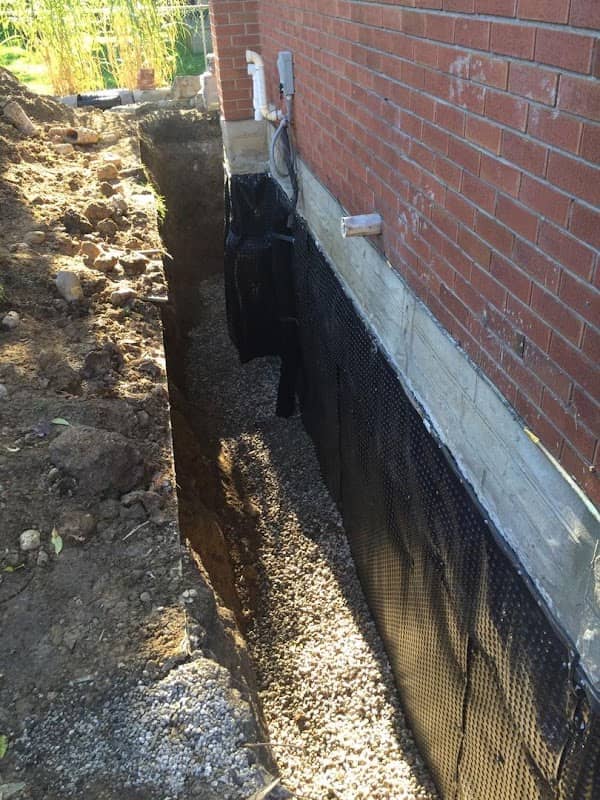
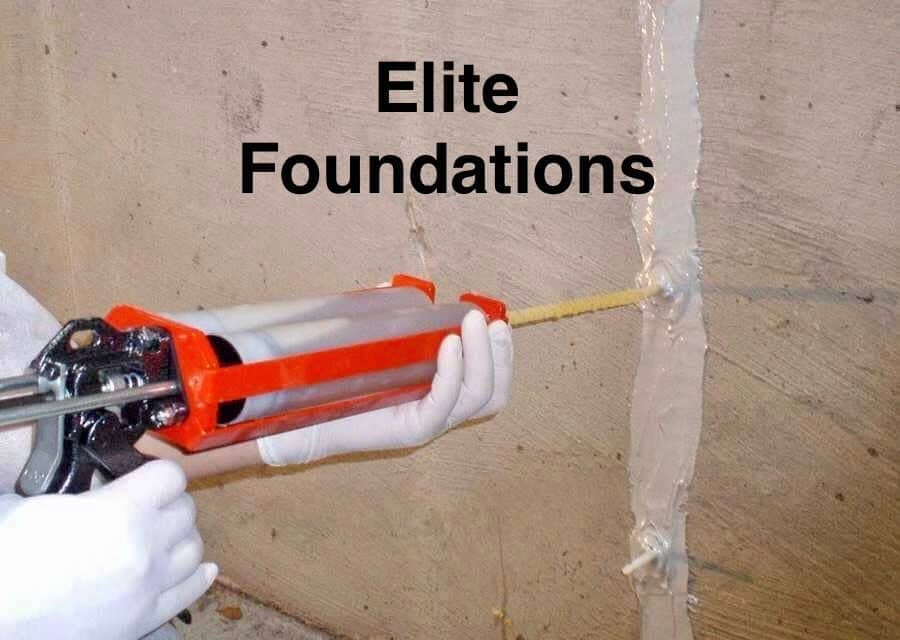
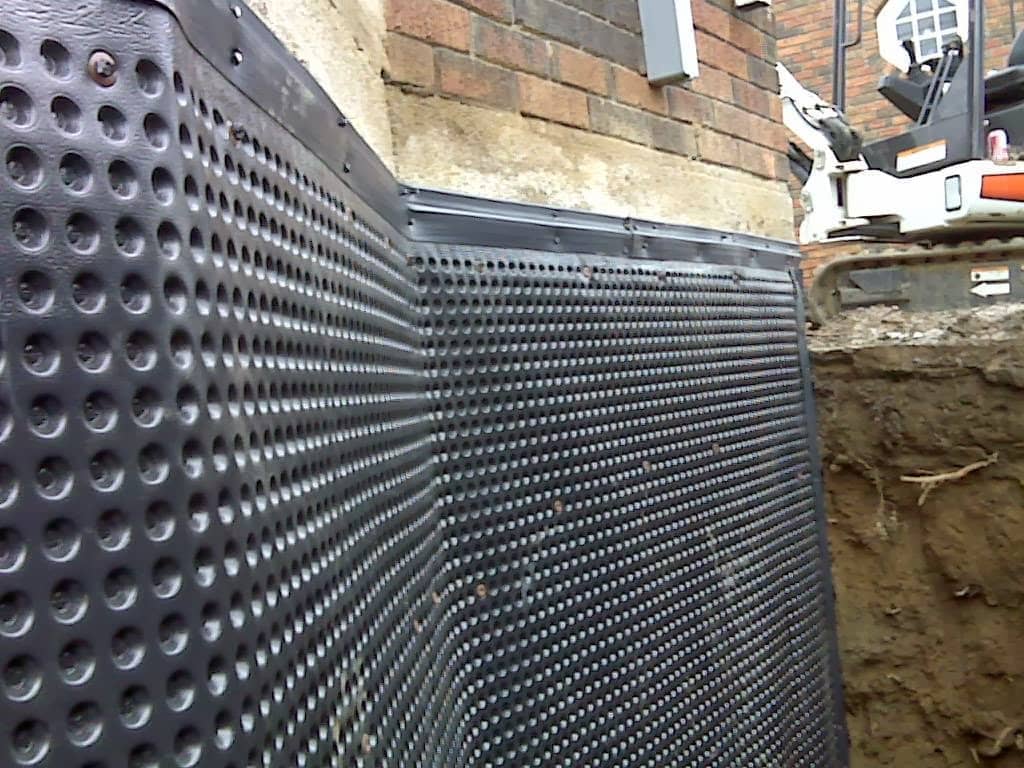
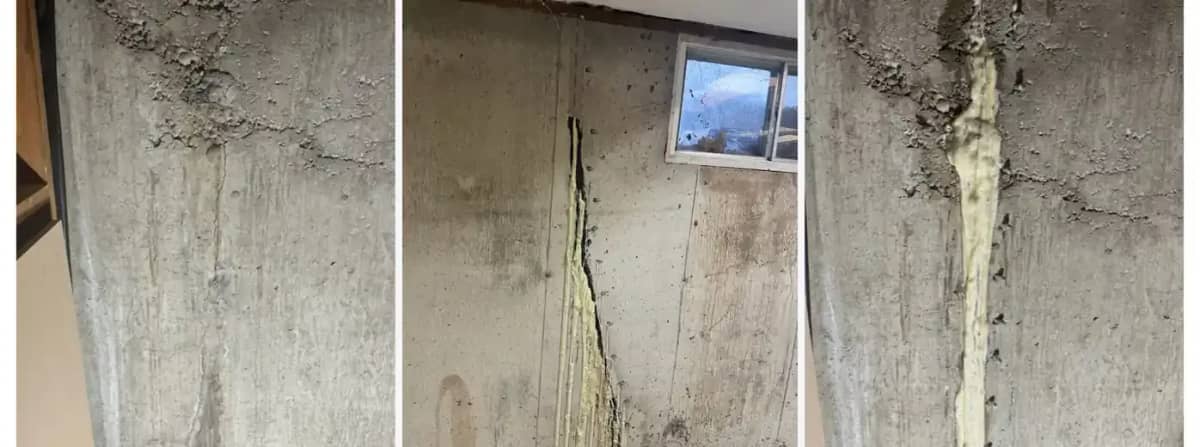
Every picture below was published by the company under it, on its own business listing, and WaterproofingIndex did not take any of them. Each of these companies describes below-grade water work on its own website, which is the same relevance check every profile on this site publishes. They are still not all the same kind of picture: some show a floor opened up mid-job, some show a truck or an office with the company's sign on it. None has been checked against a job in your area, and none is evidence of a price. They are here because a company that publishes its own excavation is showing you something a quote cannot.
Prices

Can I work out my own number?

The table above is the market. These calculators put your own basement into it, and they add the HST and any City of Toronto subsidy that applies.

Record

What do the terms on a below-grade quote mean?

These are the words that appear on a foundation crack injection quote without being explained. Each one changes what you are buying.

crack injection
Filling a foundation crack under pressure through ports drilled along it, with polyurethane where the aim is to stop a leak or epoxy where the aim is to bond the concrete back together.
parging
A thin cement coat applied to the exposed face of a foundation wall above grade. It is protective and cosmetic, not waterproofing, and it is priced by the square foot or by the side of the house.
weeping tile
The perforated drain pipe laid in stone alongside a foundation footing. It has nothing to do with tile: the name is from the clay pipe sections originally used. It collects groundwater before it reaches the wall and carries it to a storm connection or a sump pit.
underpinning
Deepening an existing foundation by excavating and pouring new footings in sequenced sections beneath the old ones. It is how a basement gains height without moving the house, and it is structural work that needs engineered drawings and a permit.

Comparison

Which two options are you choosing between?

Most of the money on a foundation crack injection quote is decided before any number is written down, by which of two methods the company is proposing. These side by side pages are built from the same price rows as the table above.

Prices

Which cost guide should I read next?

Below-grade jobs overlap, and the wrong guide gives you the wrong budget. These three are the ones most often quoted alongside foundation crack injection.

Frequently asked questions

How much does foundation crack injection cost in Toronto?

Published GTA prices vary a lot. Nusite Group quotes $300 to $800 per crack and Gamcon quotes $400 to $800. DryShield publishes $750 to $1,500 per crack, split as $750 to $1,000 for polyurethane and $750 to $1,500 for epoxy. Leaquida budgets about $1,500 to $2,200 for one straightforward accessible interior injection. Add 13% HST to all of these.

Is polyurethane or epoxy injection cheaper?

Polyurethane is the cheaper of the two on the pages that price both. DryShield lists polyurethane at $750 to $1,000 per crack and epoxy at $750 to $1,500, and Concrete Crack Repair Pros lists polyurethane at $750 to $1,000 and structural epoxy at $850 to $1,500. Polyurethane expands and stays flexible to stop a leak, while epoxy cures rigid to bond a structural crack, so the choice is driven by the crack, not the budget.

Do contractors charge per crack or per linear foot?

Per crack. DryShield states that most residential crack injection projects are priced per crack based on standard wall conditions. Per linear foot pricing appears when the job moves to broader waterproofing instead: RCC Waterproofing quotes exterior waterproofing at $50 to $300 or more per linear foot and interior waterproofing at $50 to $100 per linear foot, and Nusite Group quotes exterior foundation waterproofing at $150 to $300 per linear foot.

Is it cheaper to repair several cracks at once?

Yes. DryShield notes that most single-crack injections take about 1 to 2 hours, so several cracks can usually be sealed in one visit, and that multi-crack packages carry volume discounts. It does not publish the discount amount, so ask for it in the written quote.

How much more does it cost to fix the same crack from outside?

Far more. RCC Waterproofing prices exterior waterproofing, which includes digging to expose the foundation, repairing the crack and waterproofing the area, at $50 to $300 or more per linear foot. Leaquida says exterior excavation with membrane and new drainage typically starts around $15,000. Interior injection is normally a one-day job with no excavation (Gamcon).

Can I inject a foundation crack myself, and what do the kits cost?

Kits are sold to homeowners in Canada, but the price covers materials only. Home Depot Canada listed a DRICORE concrete repair crack injection kit at $89.16 each, and Amazon.ca listed a 10 ft Hydra Stop 300 polyurethane injection kit at $321.64. Sika Canada's SikaFix Kit page describes a kit sized for a typical crack 2.4 m (8 ft) long, 200 mm (8 in) deep and 3 mm (1/8 in) wide but publishes no price. A DIY repair comes with no inspection and no contractor warranty.

What warranty comes with crack injection?

It depends entirely on the company, so ask for it in writing. DryShield publishes a lifetime transferable warranty on eligible poured-concrete repairs and states that it transfers to a new owner. Other GTA contractors publish different terms, and there is no provincial standard for this work, so compare the warranty document and what voids it, not just the headline word.

What makes one quote much higher than another for the same crack?

DryShield names crack length, crack location, crack direction, wall access and whether epoxy is required as the drivers on its crack injection page, and lists crack length, access, active leaking and a finished basement on its cost page. Reinforcement also changes the number: Leaquida budgets about $2,500 to $4,500 for an epoxy injection plus a few carbon fibre staples.

Does the price include HST?

Usually not. Contractor price pages in Ontario normally publish pre-tax figures, and this work is taxable, so add 13% HST. A $900 injection becomes $1,017 with tax, and a $1,500 injection becomes $1,695. Confirm on the written quote whether the total shown is before or after HST.

Questions to ask your contractor

  • Is this epoxy or polyurethane, and why that one for this crack?
  • Is the injection meant to stop water, or to bond the wall structurally? Injecting from inside versus digging outside
  • How do you know the crack has stopped moving? Sourced price per crack
  • What happens if the same crack leaks again, and for how long is that covered?
  • Does the warranty transfer if we sell the house?