 1
1Omni Basement Systems
70/100 WaterproofingIndex Score
No street address published
Basement Waterproofing
- Says it has been going since 2003
- Says it is with Better Business Bureau
Its own website describes below-grade water work
Last updated: By Below-Grade Records Desk
Crawl space encapsulation in Toronto runs $7 to $10 per square foot installed, according to DryShield. A basic system is $4,000 to $8,000, and a full system with liner, insulation, drainage, sump and dehumidifier is $7,000 to $15,000 and up. A vapour barrier on its own is $1,200 to $4,000, and it slows ground moisture rather than stopping water.
Prices
This range rests on 2 independent named sources, across 12 priced lines. Every figure was re-read in August 2026 in the source that publishes it, and any figure whose source could no longer be read was removed rather than carried forward. Where two sources disagree, both rows are shown as their own sources published them; nothing is averaged and no range is widened to cover a gap.
| Item | Typical range | Unit | Source |
|---|---|---|---|
| Crawl space encapsulation, installed (Ontario rate, DryShield's encapsulation cost page)Before HST. DryShield publishes this as an Ontario figure, not a Toronto-only one, and its other guide puts the same work at $7 to $15 per square foot, so treat $10 as the low ceiling rather than the market's. | $7–$10 | per sq ft | DryShield (Ontario waterproofing contractor)also listed in this directory |
| Crawl space encapsulation, installed (Ontario rate, DryShield's encapsulation-vs-vapour-barrier guide)Before HST. The wider $7 to $15 spread on this page covers basic through full systems, where the $7 to $10 figure on the same contractor's cost page covers encapsulation alone. | $7–$15 | per sq ft | DryShield (Ontario waterproofing contractor)also listed in this directory |
| Vapour barrier only (6 to 10 mil floor sheet, basic install, not a full system)A 6 to 10 mil floor sheet with a basic install. The source is explicit that this is not a full system: it slows ground moisture and does not stop water, humid air or mould. | $1,200–$4,000 | per job | DryShield (Ontario waterproofing contractor)also listed in this directory |
| Basic crawl space encapsulation (reinforced liner, wall coverage, vent sealing)A basic system. Does not include drainage, insulation or a dehumidifier, which is what separates it from the full-system price. | $4,000–$8,000 | per job | DryShield (Ontario waterproofing contractor)also listed in this directory |
| Full crawl space encapsulation system (reinforced liner, insulation, drainage and sump, dehumidifier)Includes drainage, insulation and a dehumidifier. The high end is open-ended at $15,000+ rather than a ceiling. | $7,000–$15,000+ | per job | DryShield (Ontario waterproofing contractor)also listed in this directory |
| Closed-cell spray foam insulation only (wall and rim joist insulation plus air sealing, no moisture system)Wall and rim-joist insulation with air sealing only. No moisture system, so it does not replace encapsulation. | $1,500–$4,500 | per job | DryShield (Ontario waterproofing contractor)also listed in this directory |
| Crawl space drainage plus sump pump, added where standing water or seepage is presentAn add-on, not part of the base price. The source says it is required only where standing water or seepage is present. | $1,000–$3,000 | per job | DryShield (Ontario waterproofing contractor)also listed in this directory |
| Dehumidifier for a sealed crawl spaceAn add-on. The source recommends it for cottages and for controlling humidity once the space is sealed. | $1,200–$2,500 | per unit installed | DryShield (Ontario waterproofing contractor)also listed in this directory |
| Basic encapsulation, 500 sq ft crawl spaceFor a 500 square foot crawl space, basic liner-and-vents system. The source prints these as approximate figures, marked with a tilde. | $3,500–$5,000 | per job | DryShield (Ontario waterproofing contractor)also listed in this directory |
| Basic encapsulation, 1,000 sq ft crawl spaceFor a 1,000 square foot crawl space, basic liner-and-vents system. A full system at the same size is $8,000 to $12,000. | $5,000–$8,000 | per job | DryShield (Ontario waterproofing contractor)also listed in this directory |
| Full encapsulation system, 1,000 sq ft crawl space (drainage, sump pump and dehumidifier included)For a 1,000 square foot crawl space, with drainage, a sump pump and a dehumidifier included. | $8,000–$12,000 | per job | DryShield (Ontario waterproofing contractor)also listed in this directory |
| Full encapsulation system, 2,000 sq ft crawl space (drainage, sump pump and dehumidifier included)For a 2,000 square foot crawl space, full system. The high end is open-ended at $20,000+ rather than a ceiling. | $16,000–$20,000+ | per job | DryShield (Ontario waterproofing contractor)also listed in this directory |
Prices
Each bar below is one published range, drawn to scale against the others quoted in the same unit. Nothing here is averaged: where two companies price crawl space waterproofing differently for what reads like the same job, both bars are drawn at the lengths their own sources published, and the gap between them is the thing worth looking at before you accept either bid.
DryShield (Ontario waterproofing contractor)
DryShield (Ontario waterproofing contractor)
Longest bar ends at $15, the widest figure any source in this group published per sq ft.
DryShield (Ontario waterproofing contractor)
DryShield (Ontario waterproofing contractor)
DryShield (Ontario waterproofing contractor)
DryShield (Ontario waterproofing contractor)
DryShield (Ontario waterproofing contractor)
DryShield (Ontario waterproofing contractor)
DryShield (Ontario waterproofing contractor)
Longest bar ends at $12,000, the widest figure any source in this group published per job.
9 of the 12 rows in the table are drawn here. 2 are left out because their published highs end in a plus sign, which has no upper bound to draw: $7,000–$15,000+ per job; $16,000–$20,000+ per job. 1 is the only row quoted in its unit, and one bar on its own is not a comparison. Every one of them is in the table above with its own source.
Method
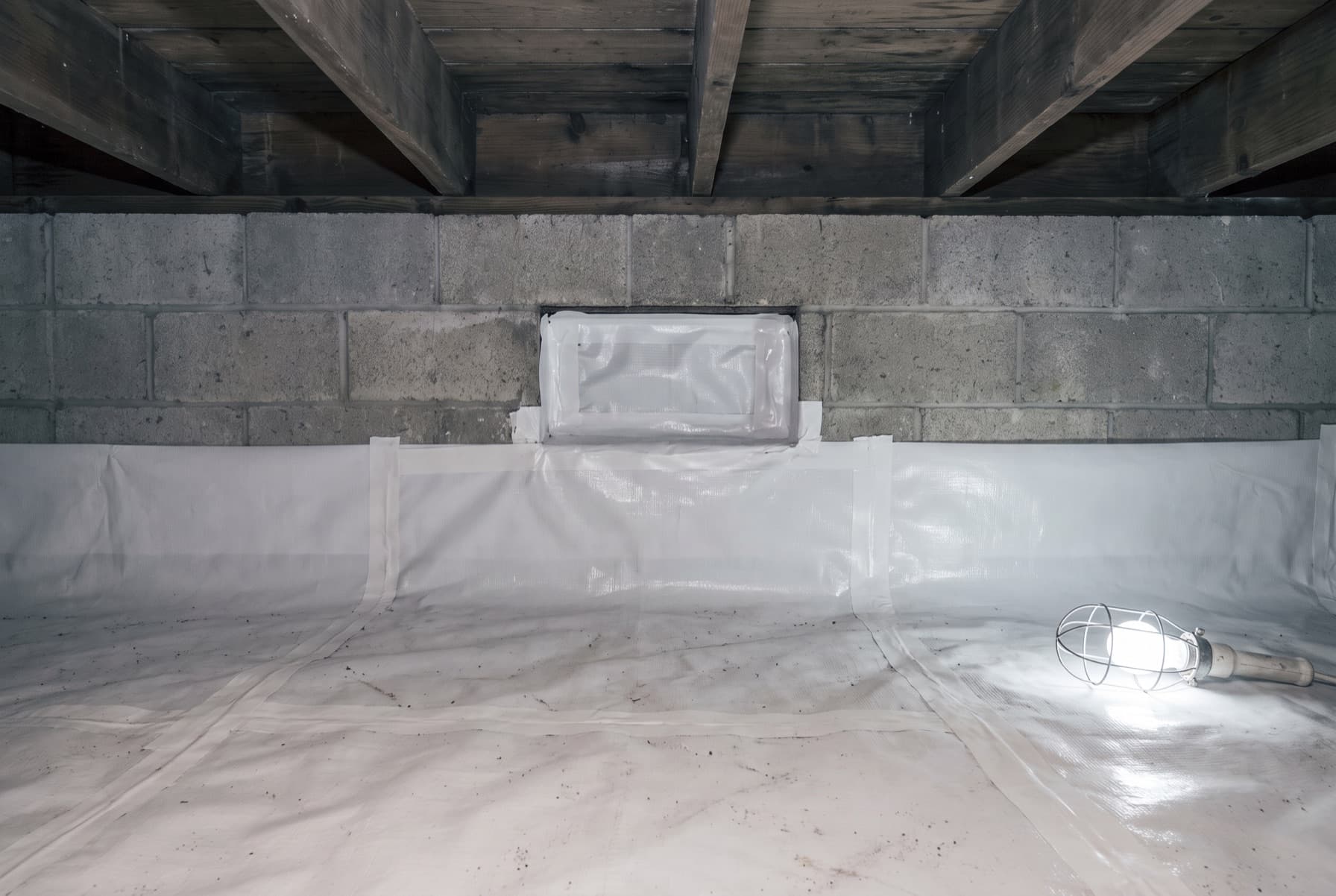
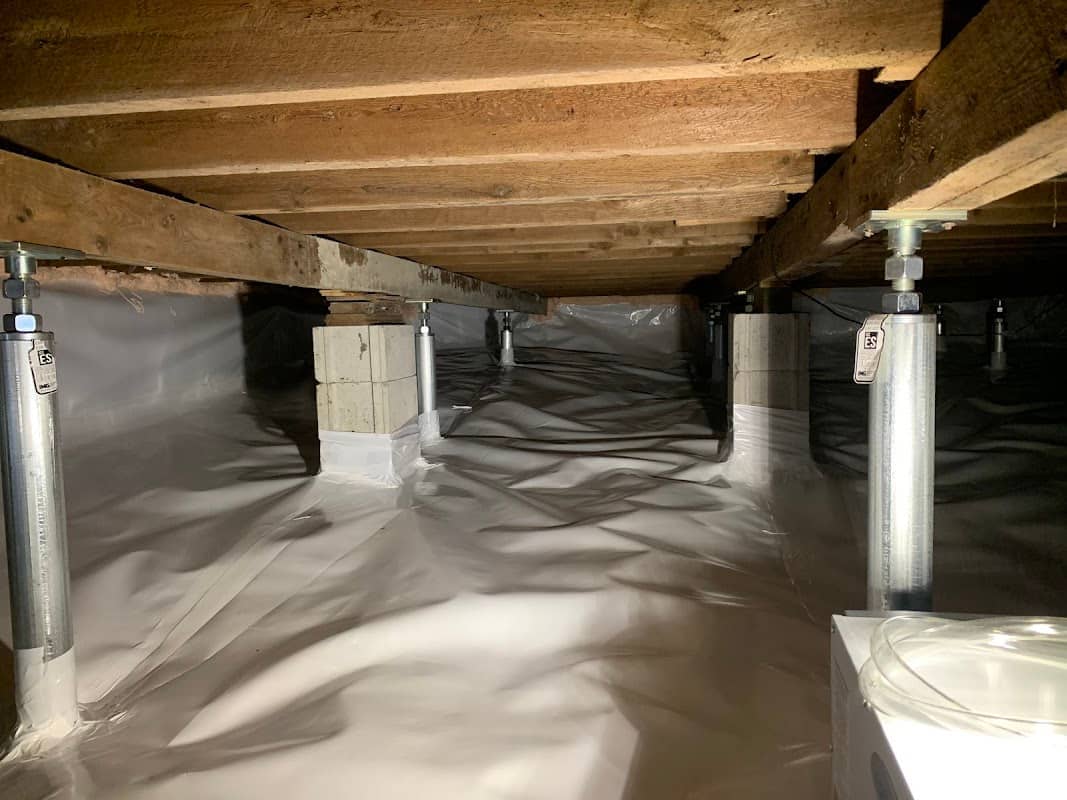
The gap between the two cheapest rows in the table and the two most expensive ones is drawn here. A sheet on the floor covers the ground and leaves the vents open. Encapsulation closes the vents and carries a reinforced liner up the walls, which is what puts the space inside the house rather than outside it.
Prices
Access, depth and scope move crawl space waterproofing pricing more than anything else in Toronto. Each factor below is one reason two quotes for what sounds like the same job can be thousands of dollars apart.
Record
Ontario adds 13% HST to every figure on this page, Toronto requires permits for most below-grade structural work, and both change what you actually pay. These are the local rules and subsidies that a national price guide leaves out.
Prices
Bundling work into one excavation, reusing what is already there, and getting the sequence right are what actually cut a crawl space waterproofing bill in the GTA. Each lever below is tied to a figure in the table above.
Method
Every price on this page was re-read in the page that publishes it, and the sentence carrying it was recorded so the figure can be checked rather than trusted. Where two Canadian sources disagree, WaterproofingIndex shows both rather than averaging them into a number neither company quoted.
Companies
WaterproofingIndex tracks 18 crawl space waterproofing contractors across the Greater Toronto Area, rated 4.81★ on average. The three below rank highest on our review-weighted score, based on WaterproofingIndex's analysis of 18 GTA businesses, August 2026.
170/100 WaterproofingIndex Score
No street address published
Its own website describes below-grade water work
 2
267/100 WaterproofingIndex Score
1.8 km from Pickering centre
Its own website describes below-grade water work
 3
365/100 WaterproofingIndex Score
4.6 km from Oshawa centre
Its own website describes below-grade water work
Photographs
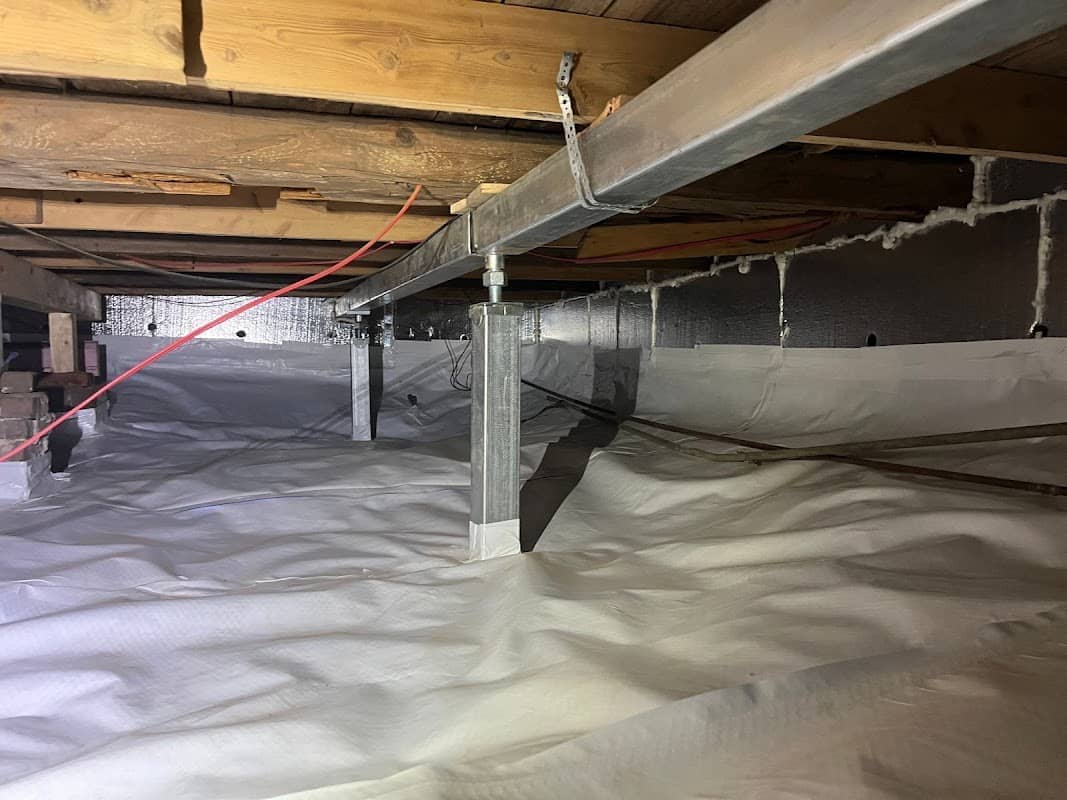
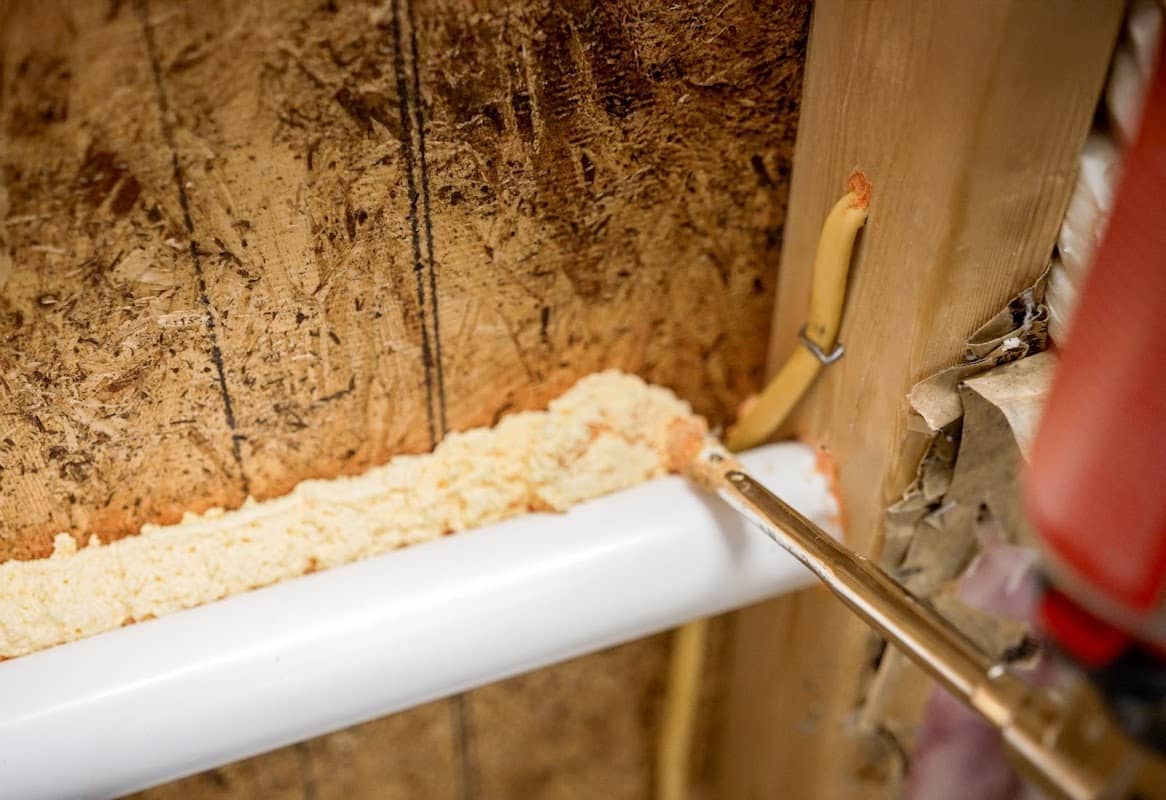
Every picture below was published by the company under it, on its own business listing, and WaterproofingIndex did not take any of them. Each of these companies describes below-grade water work on its own website, which is the same relevance check every profile on this site publishes. They are still not all the same kind of picture: some show a floor opened up mid-job, some show a truck or an office with the company's sign on it. None has been checked against a job in your area, and none is evidence of a price. They are here because a company that publishes its own excavation is showing you something a quote cannot.
Prices
The table above is the market. These calculators put your own basement into it, and they add the HST and any City of Toronto subsidy that applies.
Record
These are the words that appear on a crawl space waterproofing quote without being explained. Each one changes what you are buying.
Prices
Below-grade jobs overlap, and the wrong guide gives you the wrong budget. These three are the ones most often quoted alongside crawl space waterproofing.